%2Ffit-in%2F250x250%2Fguide_websites%2F679%2Fimages%2F1783744364312advancedfishingwithjp.png&w=1920&q=100)
/users/150f0bb5-4bdb-4b38-a096-9486f98e6526/ratecard/481107968_1151693739994675_8171129818886973816_n-mrfmg2xz.jpg)
%2F300x300%2Fusers%2F150f0bb5-4bdb-4b38-a096-9486f98e6526%2Fratecard%2F481107968_1151693739994675_8171129818886973816_n-mrfmg2xz.jpg&w=256&q=75)
%2F300x300%2Fusers%2F150f0bb5-4bdb-4b38-a096-9486f98e6526%2Fimages%2Fpanama-city-red-snapper-catch-2505.jpg&w=256&q=75)
%2F300x300%2Fusers%2F150f0bb5-4bdb-4b38-a096-9486f98e6526%2Fimages%2Fpanama-city-red-snapper-catch-2449.jpg&w=256&q=75)
%2F300x300%2Fusers%2F150f0bb5-4bdb-4b38-a096-9486f98e6526%2Fimages%2Fred-snapper-grey-triggerfish-panama-2902.jpg&w=256&q=75)
%2F300x300%2Fusers%2F150f0bb5-4bdb-4b38-a096-9486f98e6526%2Fimages%2Fpanama-city-red-snapper-catch-2389.jpg&w=256&q=75)
%2F300x300%2Fusers%2F150f0bb5-4bdb-4b38-a096-9486f98e6526%2Fimages%2F1783727678662panama-city-fishing-report-mrflwaw1.jpg&w=256&q=75)
%2F300x300%2Fusers%2F150f0bb5-4bdb-4b38-a096-9486f98e6526%2Fimages%2Fred-grey-snapper-panama-city-2715.jpg&w=256&q=75)
%2F300x300%2Fusers%2F150f0bb5-4bdb-4b38-a096-9486f98e6526%2Fimages%2Fpanama-city-red-snapper-catch-2517.jpg&w=256&q=75)
%2F300x300%2Fusers%2F150f0bb5-4bdb-4b38-a096-9486f98e6526%2Fimages%2Fpanama-city-red-snapper-grouper-2858.jpg&w=256&q=75)
%2F300x300%2Fusers%2F150f0bb5-4bdb-4b38-a096-9486f98e6526%2Fimages%2Fpanama-city-red-snapper-fishing-2588.jpg&w=256&q=75)
%2F300x300%2Fusers%2F150f0bb5-4bdb-4b38-a096-9486f98e6526%2Fimages%2Fpanama-city-mahi-mahi-fishing-2623.jpg&w=256&q=75)
Full Day Deep Sea Fishing Panama City Beach
 Panama City
What you will be catching:
 Cobia
Cobia King Mackerel
 Mahi Mahi or Common Dolphinfish
 Red Snapper
 Spanish Mackerel
- Eight-hour deep sea excursion targeting mahi mahi and amberjack
- 26-foot Panga boat accommodates up to four serious anglers
- All tackle, licenses, and fish processing services included
Trip Pricing and Availabilities:
Full Day Deep Sea Fishing Panama City Beach
Looking for the real deal when it comes to offshore fishing? This 8-hour deep sea charter with Advanced Fishing with JP puts you right where the big fish live. We're talking serious Gulf of Mexico action – the kind that gets your drag screaming and your arms burning. This isn't some touristy half-day trip where you catch a few Spanish mackerel and call it good. This is for anglers who want to test their skills against king mackerel, cobia, and those beautiful mahi mahi that make the Gulf famous. Captain JP runs a tight ship with his 26-foot Panga, getting you to the productive waters fast so you can spend maximum time with lines in the water.
What to Expect on the Water
Your day starts early – and I mean early. We're talking first light departure to make the most of prime feeding times. The 26-foot Panga is built for offshore work, cutting through the Gulf chop to reach those productive ledges and structure where the pelagic species hang out. With room for up to four anglers, you're not fighting for elbow room or waiting forever for your turn at a hot bite. Captain JP knows these waters like the back of his hand, and he's constantly reading the conditions – water temp, current breaks, bird activity – to put you on fish. The boat comes loaded with heavy-duty tackle designed for these hard-fighting species, plus all the lures and terminal gear you'll need. Your fishing license is covered too, so one less thing to worry about. Just bring your appetite for action and enough food and drinks to fuel an 8-hour battle with some of the Gulf's toughest customers.
Trolling Tactics & Heavy Gear
This trip is all about covering water and targeting the apex predators of the Gulf. We're primarily trolling with a spread of lures designed to trigger strikes from kings, cobia, and mahi. The captain sets up a pattern of high-speed trolling lures, diving plugs, and sometimes live bait depending on conditions and what's biting. When we mark fish on the sonar or spot floating debris that screams mahi habitat, we'll stop and work an area more thoroughly. The tackle is no joke – we're talking heavy conventional reels spooled with serious line because when a 40-pound king mackerel decides to make a run, light tackle just won't cut it. You'll learn proper fighting techniques, how to work the drag, and the importance of keeping steady pressure on these powerful fish. The captain handles the boat positioning and net work, so your job is to fight the fish and enjoy every second of that rod-bending action.
Top Catches This Season
King mackerel are the bread and butter of Gulf fishing, and Panama City Beach consistently produces some monsters. These speed demons can hit 50+ pounds and will test every ounce of your skill and endurance. They're most active during the cooler months, roughly October through March, when they move inshore to feed on the abundant baitfish. What makes kings so addictive to catch is their initial run – when one hits your lure, it's like hooking onto a freight train. They'll peel line off your reel at blistering speed, often jumping and tail-walking across the surface. The fight typically involves several long runs before you can get them to the boat, and even then, they've got one more surge left in them.
Mahi mahi, or dolphin fish as locals call them, are pure eye candy both in the water and on the dinner table. These brilliant gold and green fish are found around floating debris, weed lines, and temperature breaks. Peak season runs from spring through fall, with summer being absolutely prime time. What anglers love about mahi is their acrobatic nature – they jump, dive, and put on a spectacular show when hooked. A good-sized bull mahi can push 30+ pounds and will give you a workout you won't forget. Plus, they're arguably the best eating fish in the Gulf, with firm white meat that's perfect for the grill.
Cobia are the wildcards that can make your entire trip. These brown sharks look-alikes are curious fish that often approach the boat, giving you sight-fishing opportunities you don't get with other species. Spring migration brings schools of cobia through Panama City Beach waters, with individual fish ranging from 20 to 60+ pounds. They're incredibly strong fish that use their broad tails and powerful bodies to test your drag system. What makes cobia special is their unpredictability – they might eat a jig, a live bait, or even a topwater lure, and they fight dirty, often diving for structure or trying to wrap you around the boat.
Red snapper, when in season, are the prize of the bottom fishing world. These ruby-red beauties live around the hard bottom and artificial reefs scattered throughout the Gulf. They're smart fish that require finesse and the right presentation, but when you find a good school, the action can be fast and furious. A big red snapper in the 10-15 pound range is a serious fish that knows how to use the current and structure to its advantage.
Spanish mackerel round out the mix and are often the most consistent biters of the trip. While smaller than their king mackerel cousins, they make up for it with sheer numbers and willingness to bite. They're perfect for keeping the action going between shots at the bigger species, and they're excellent table fare for fish tacos or ceviche.
Time to Book Your Spot
This full-day deep sea experience represents serious value for dedicated anglers. Eight hours with Captain JP means maximum time in productive water, targeting the species that make Gulf fishing legendary. The 26-foot Panga gets you there fast and comfortable, while the provided heavy-duty gear ensures you're ready for whatever bites. With all licenses, lures, and even fish cleaning included, you're getting a complete package that lets you focus on what matters – fighting fish. The four
Learn more about the species
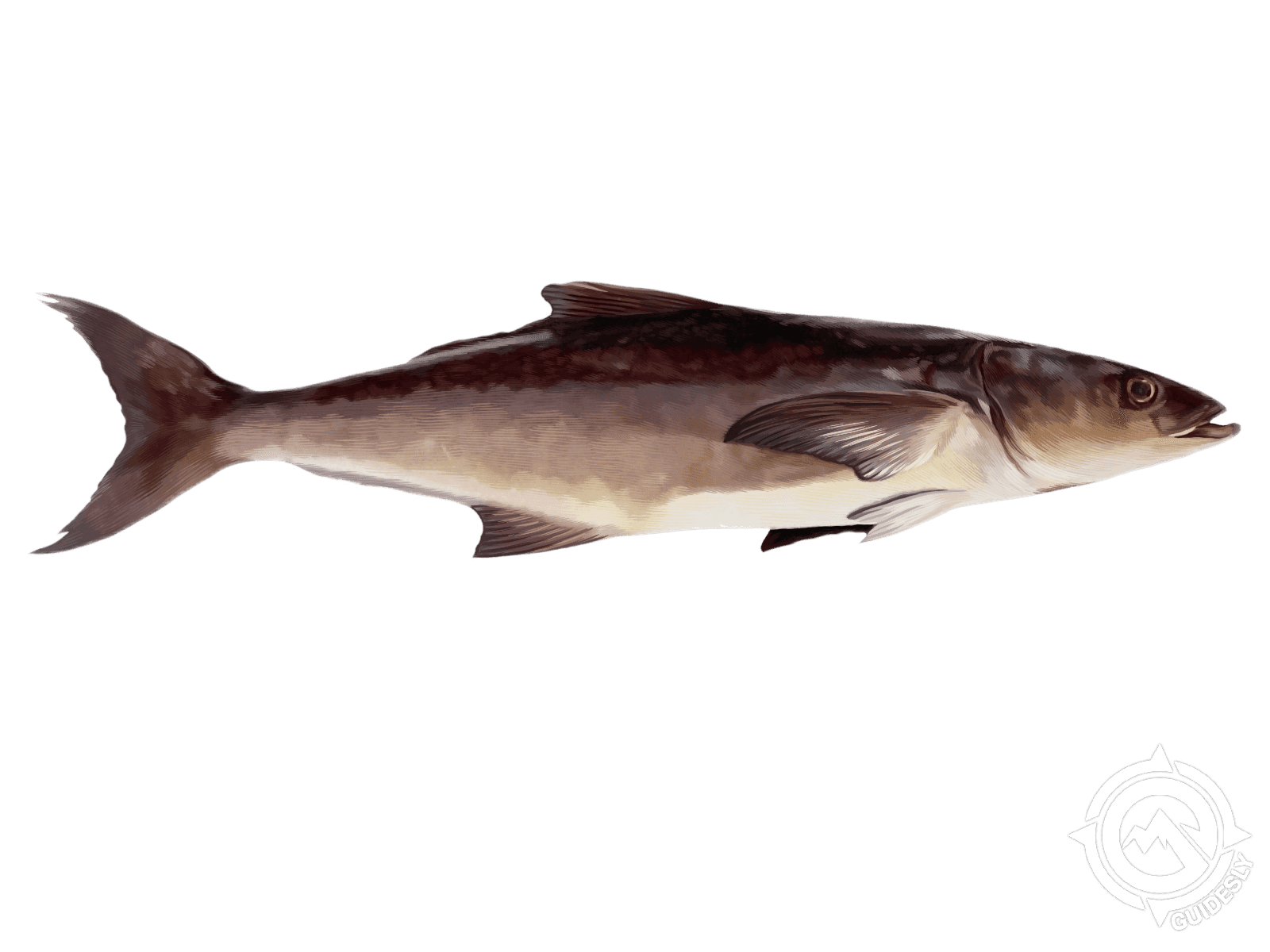
Cobia
Cobia are the bruisers that'll make you think you hooked a shark at first - dark brown, single dorsal fin, and they fight like freight trains. These fish average 20-40 pounds but can push 60+ if you're lucky. Look for them around structure like wrecks, buoys, and oil rigs in 30-100 feet of water. Spring through early summer is peak season when they're moving through our area. What makes them special? They're sight fishing targets that cruise near the surface, plus the meat is absolutely primo - firm, white, and tastes like a cross between grouper and shark. My trick: use a bucktail jig in the 4-8 oz range and work it slow near structure. Color doesn't matter much, but that vertical presentation drives them crazy. Once hooked, they'll head straight for cover, so keep steady pressure.
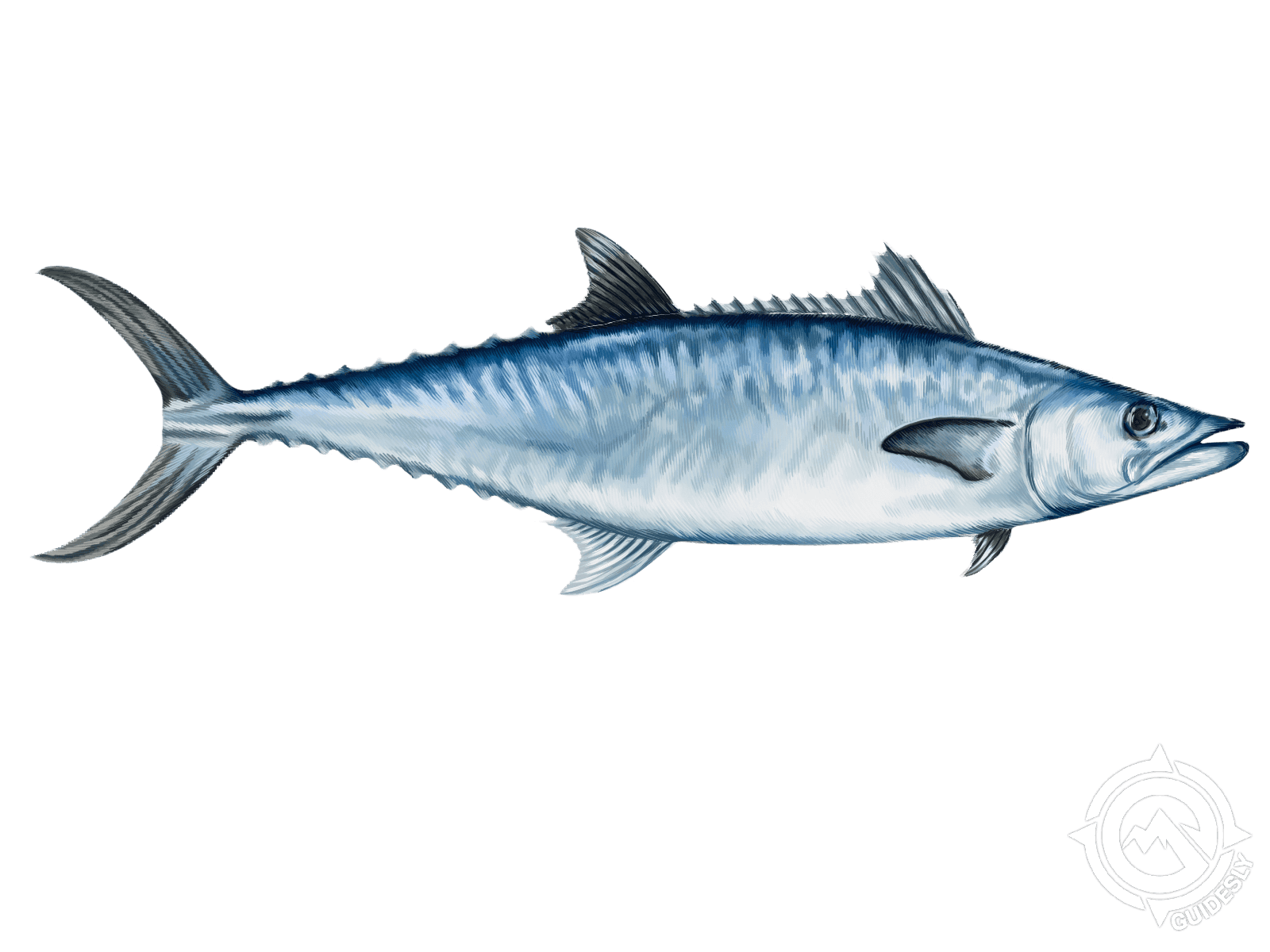
King Mackerel
These speed demons are what deep sea fishing is all about - typically running 15-30 pounds around Panama City Beach, though we see some bruisers pushing 50+. Kings cruise the 40-150 foot range, especially along temperature breaks and current edges where baitfish concentrate. Spring through fall offers the best action when water temps hit that sweet spot above 68°F. What makes them special? Pure speed and power - they'll peel line like nothing else and put up a fight that'll test your drag system. The meat's excellent too, great for grilling or smoking. My go-to trick: use a wire leader with two hooks when live baiting - one through the nose, another near the tail. Kings love to hit from behind, and that stinger hook saves a lot of cut-offs from those razor-sharp teeth.
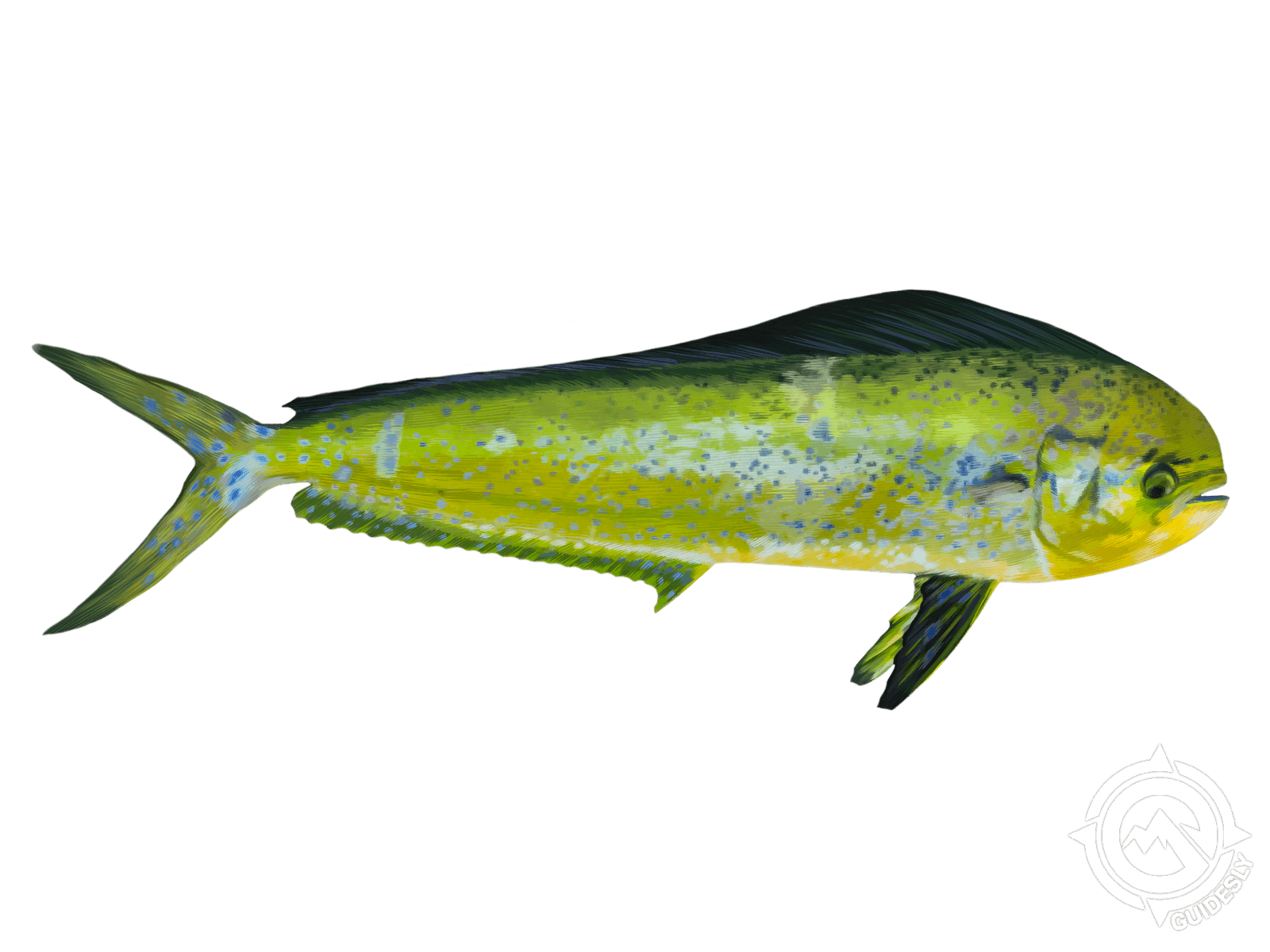
Mahi Mahi or Common Dolphinfish
Mahi are the rainbow warriors of offshore fishing - those electric blues and golds will blow you away when they come boatside. Most run 15-29 pounds, but we've seen some 40+ pounders that'll really test your arms. They love floating debris, weed lines, and current breaks in blue water, usually cruising near the surface. Spring through fall is prime time when water warms up. What guests love most? The acrobatic fights - these fish go airborne and put on a show like no other. Plus, the meat is top-shelf eating with that mild, sweet flavor. Here's a local tip: when you hook one, leave it in the water for a minute while you get more baits ready. Mahi travel in schools, and that hooked fish will often call in his buddies for multiple hookups.
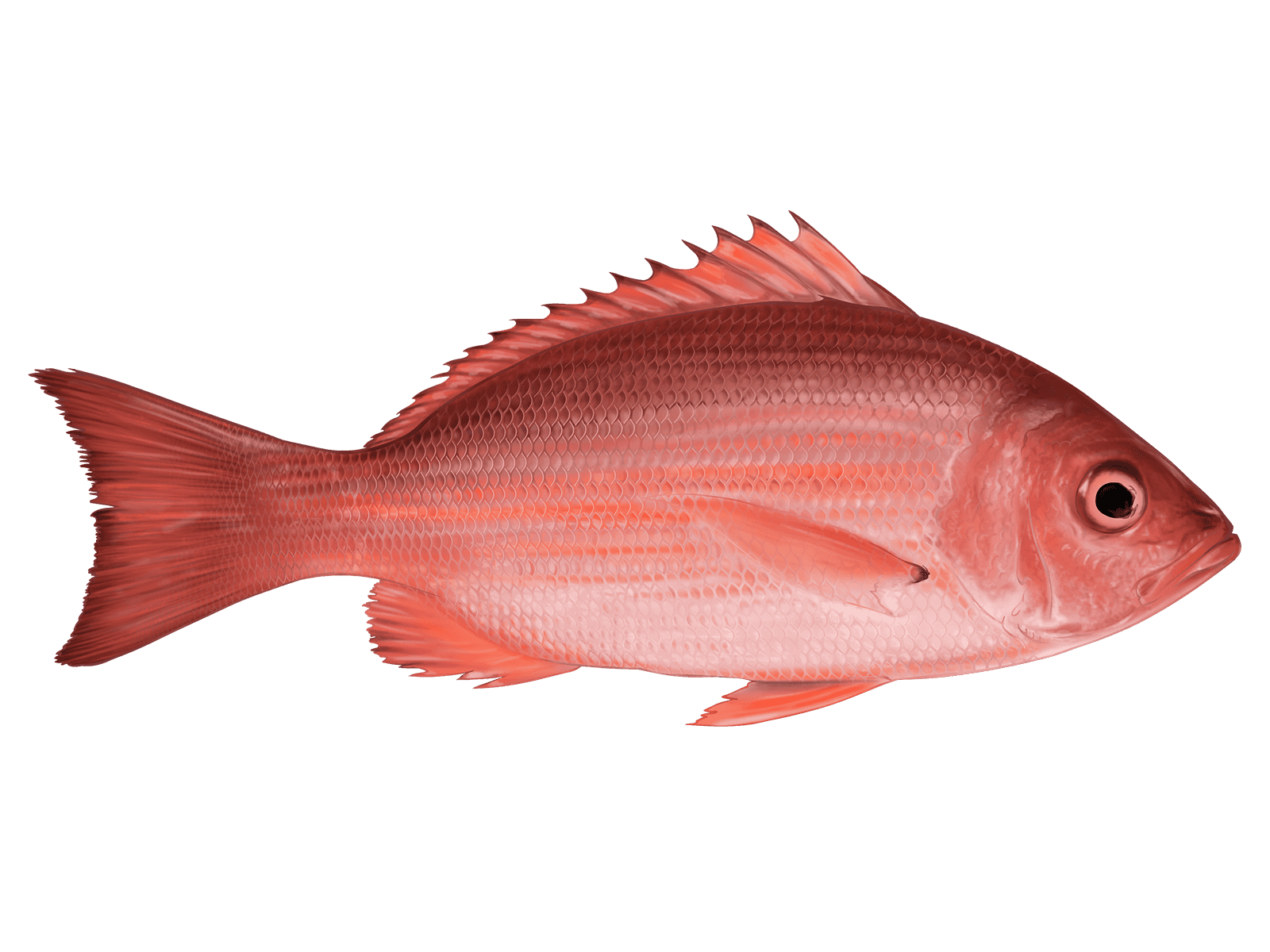
Red Snapper
Red snapper are the bread and butter of Gulf bottom fishing - classic red coloration and that distinctive snapper profile everyone recognizes. Most keeper-size fish run 3-8 pounds, though we catch some 15+ pounders on the deeper wrecks. They stick to hard bottom, reefs, and artificial structure in 60-200+ feet of water. Federal season usually runs summer months, but dates change yearly. Why guests love them? They're scrappy fighters that'll try to cut your line on structure, plus they're hands-down some of the best eating fish in the Gulf - mild, nutty flavor that's perfect grilled or fried. Pro tip: use circle hooks with fresh cut bait like cigar minnows or squid, and keep steady pressure when fighting them. Don't give them slack or they'll wrap you up in the structure every time.
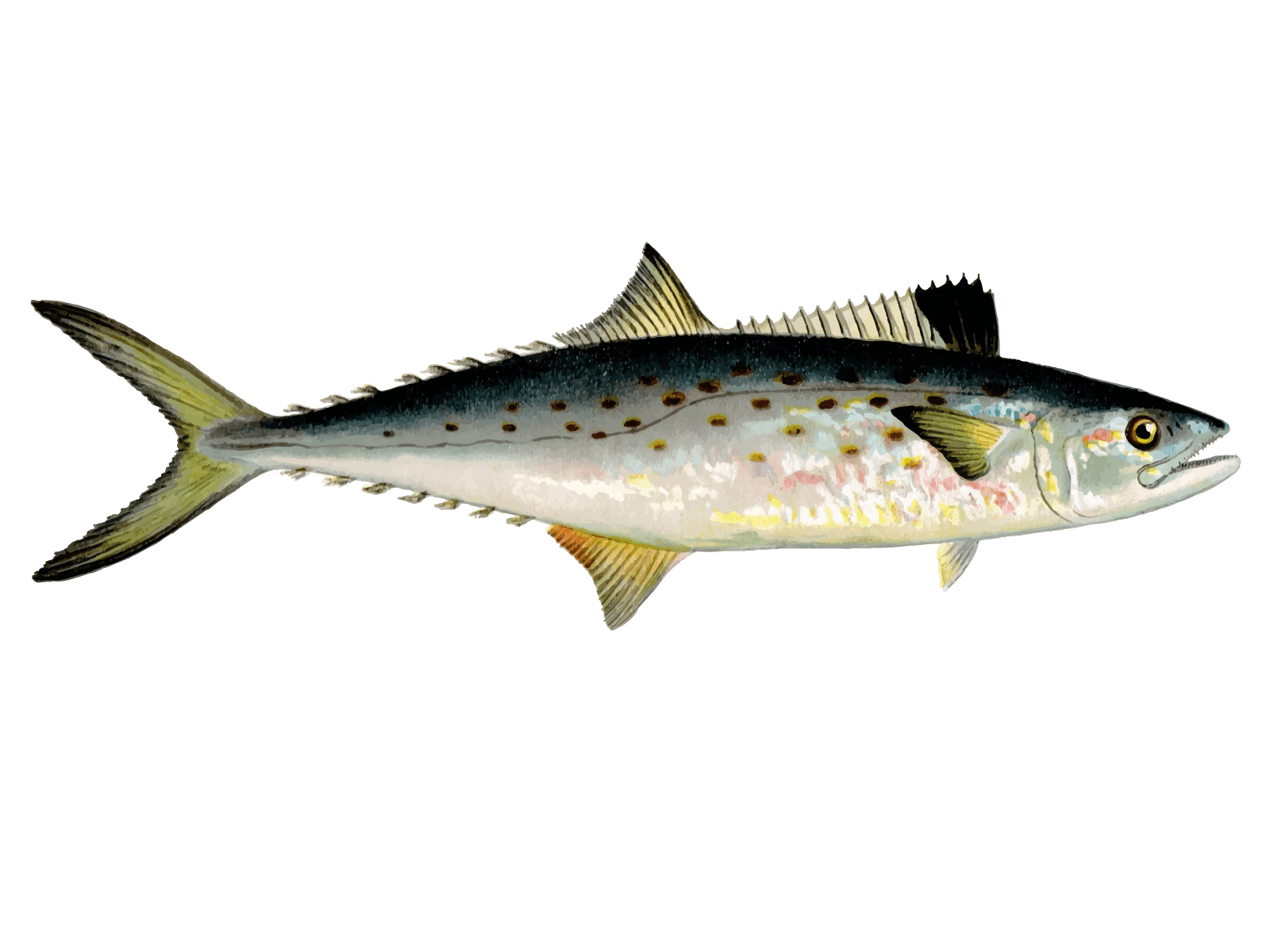
Spanish Mackerel
Spanish mackerel are the perfect starter fish for getting kids and new anglers hooked on fishing - they're aggressive, abundant, and absolutely delicious. These silver bullets with yellow spots typically run 1-3 pounds and school up in huge numbers near the surface. You'll find them around structure, grass flats, and drop-offs in 20-60 feet of water. Spring through fall is prime time, especially when baitfish are thick. What makes them fun? They hit hard, fight above their weight class, and have some of the best-tasting meat in the Gulf - mild flavor that's perfect smoked or grilled. Here's my trick: use small shiny spoons or jigs and keep them moving fast. Spanish macs love speed, so don't be afraid to burn that lure through the water column. Wire leaders help prevent bite-offs from their sharp teeth.
About the Panga
%2F%2Fusers%2F150f0bb5-4bdb-4b38-a096-9486f98e6526%2Fvehicle_picture%2F481263240_9168212629895078_57675559610455008d14_n-mrfkl3cn.jpg&w=1920&q=75)
Vehicle Guest Capacity: 4
Manufacturer Name: Suzuki
Maximum Cruising Speed: 45
Number of Engines: 1
Horsepower per Engine: 200