%2Ffit-in%2F250x250%2Fguide_websites%2F679%2Fimages%2F1783744364312advancedfishingwithjp.png&w=1920&q=100)
/users/150f0bb5-4bdb-4b38-a096-9486f98e6526/ratecard/530893287_1280042397159808_3897666540387069836_n-mrfmpfla.jpg)
%2F300x300%2Fusers%2F150f0bb5-4bdb-4b38-a096-9486f98e6526%2Fratecard%2F530893287_1280042397159808_3897666540387069836_n-mrfmpfla.jpg&w=256&q=75)
%2F300x300%2Fusers%2F150f0bb5-4bdb-4b38-a096-9486f98e6526%2Fimages%2Fpanama-city-red-snapper-catch-2505.jpg&w=256&q=75)
%2F300x300%2Fusers%2F150f0bb5-4bdb-4b38-a096-9486f98e6526%2Fimages%2Fpanama-city-red-snapper-catch-2449.jpg&w=256&q=75)
%2F300x300%2Fusers%2F150f0bb5-4bdb-4b38-a096-9486f98e6526%2Fimages%2Fred-snapper-grey-triggerfish-panama-2902.jpg&w=256&q=75)
%2F300x300%2Fusers%2F150f0bb5-4bdb-4b38-a096-9486f98e6526%2Fimages%2Fpanama-city-red-snapper-catch-2389.jpg&w=256&q=75)
%2F300x300%2Fusers%2F150f0bb5-4bdb-4b38-a096-9486f98e6526%2Fimages%2F1783727678662panama-city-fishing-report-mrflwaw1.jpg&w=256&q=75)
%2F300x300%2Fusers%2F150f0bb5-4bdb-4b38-a096-9486f98e6526%2Fimages%2Fred-grey-snapper-panama-city-2715.jpg&w=256&q=75)
%2F300x300%2Fusers%2F150f0bb5-4bdb-4b38-a096-9486f98e6526%2Fimages%2Fpanama-city-red-snapper-catch-2517.jpg&w=256&q=75)
%2F300x300%2Fusers%2F150f0bb5-4bdb-4b38-a096-9486f98e6526%2Fimages%2Fpanama-city-red-snapper-grouper-2858.jpg&w=256&q=75)
%2F300x300%2Fusers%2F150f0bb5-4bdb-4b38-a096-9486f98e6526%2Fimages%2Fpanama-city-red-snapper-fishing-2588.jpg&w=256&q=75)
%2F300x300%2Fusers%2F150f0bb5-4bdb-4b38-a096-9486f98e6526%2Fimages%2Fpanama-city-mahi-mahi-fishing-2623.jpg&w=256&q=75)
Offshore Reef Fishing Charter Panama City Beach
 Panama City
What you will be catching:
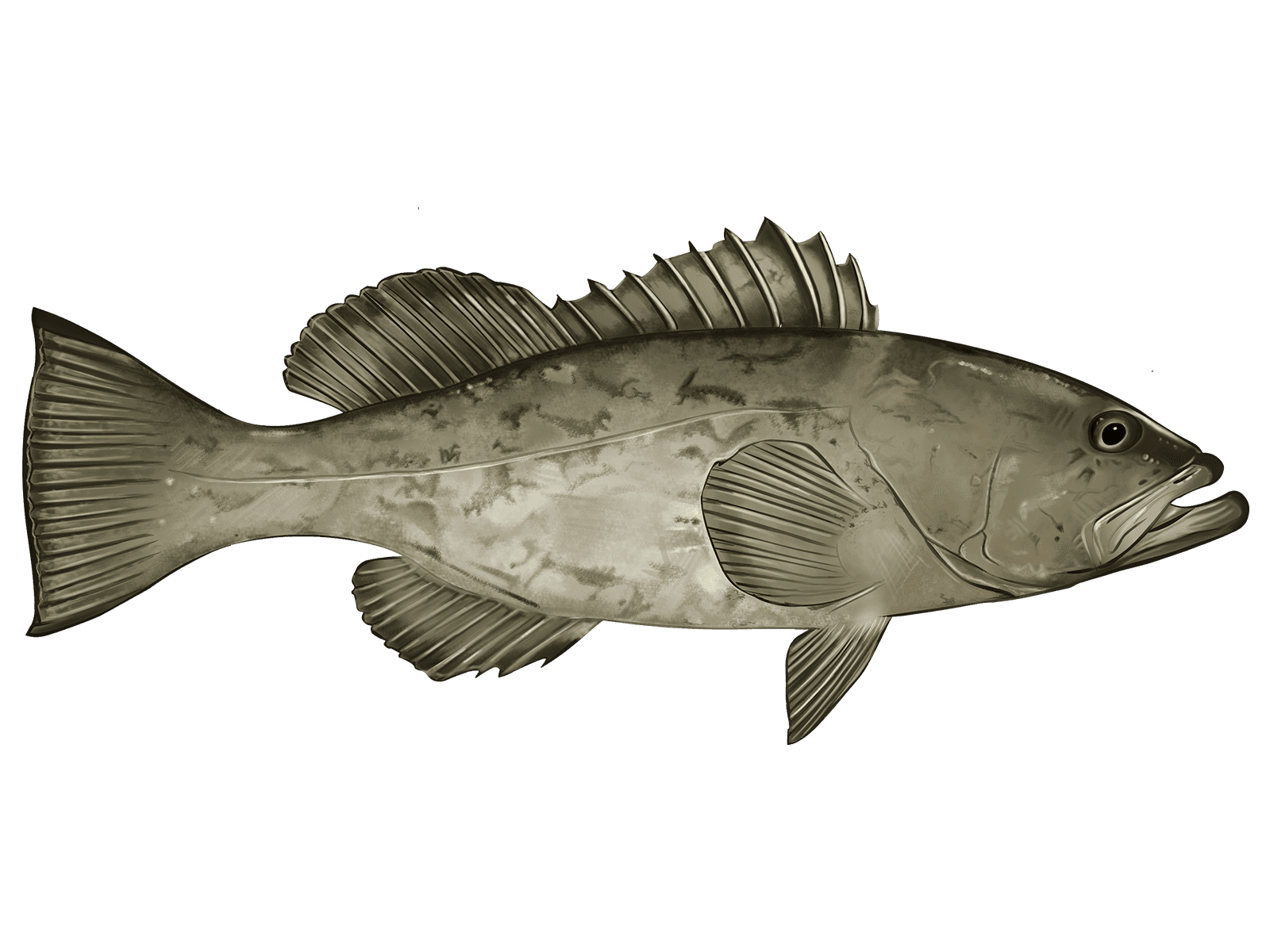
 Gag Grouper
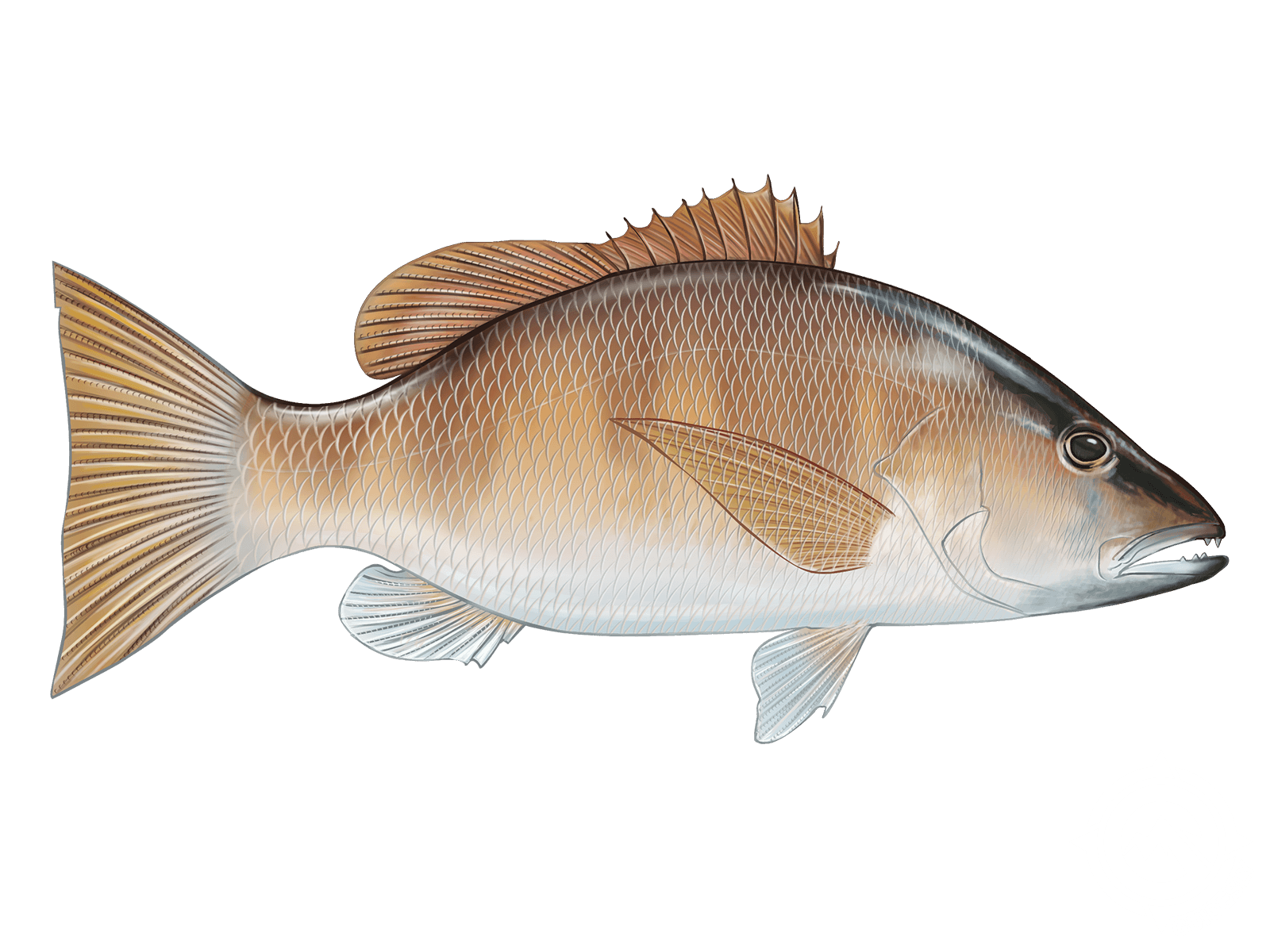
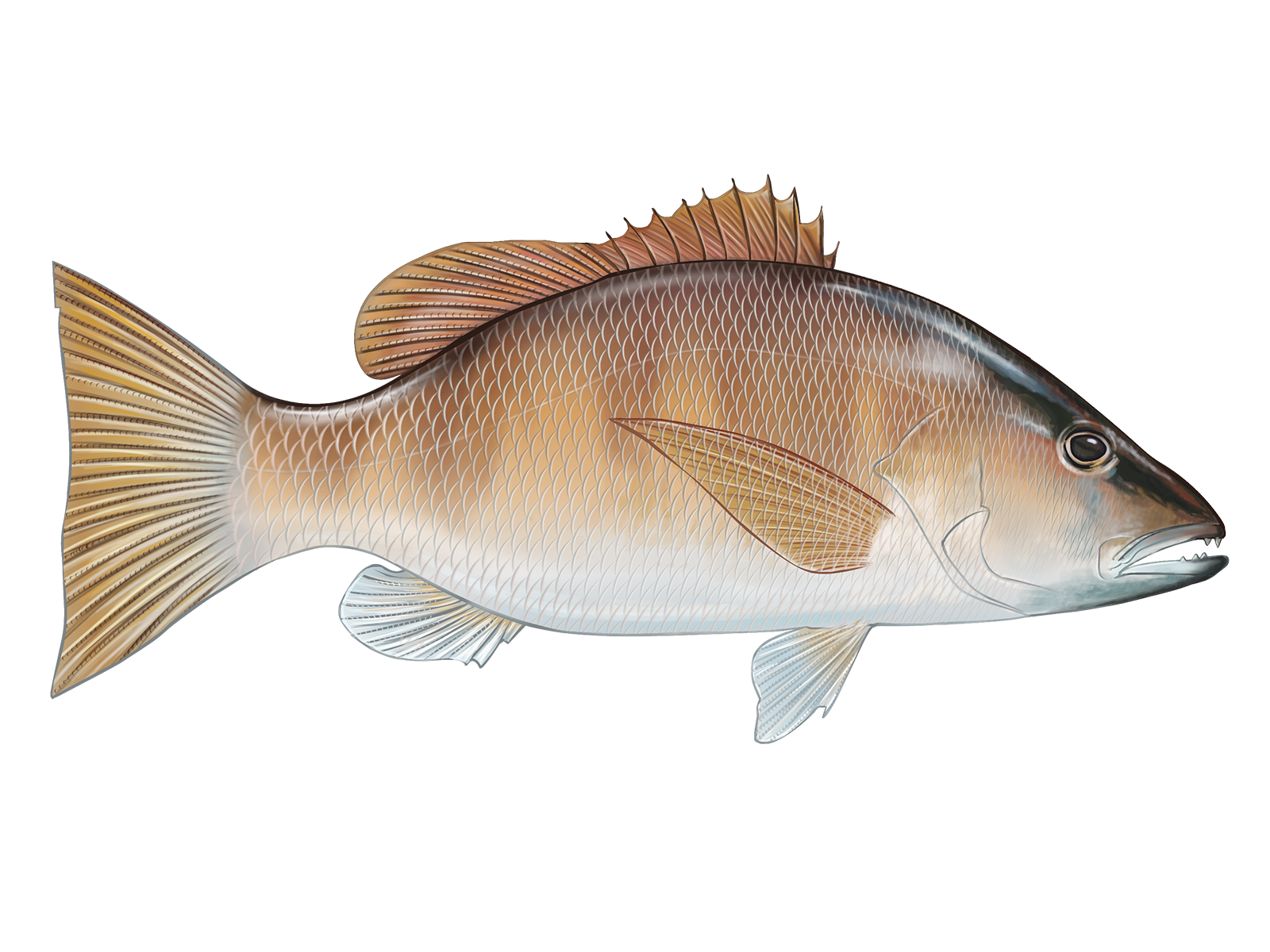 Grey Snapper
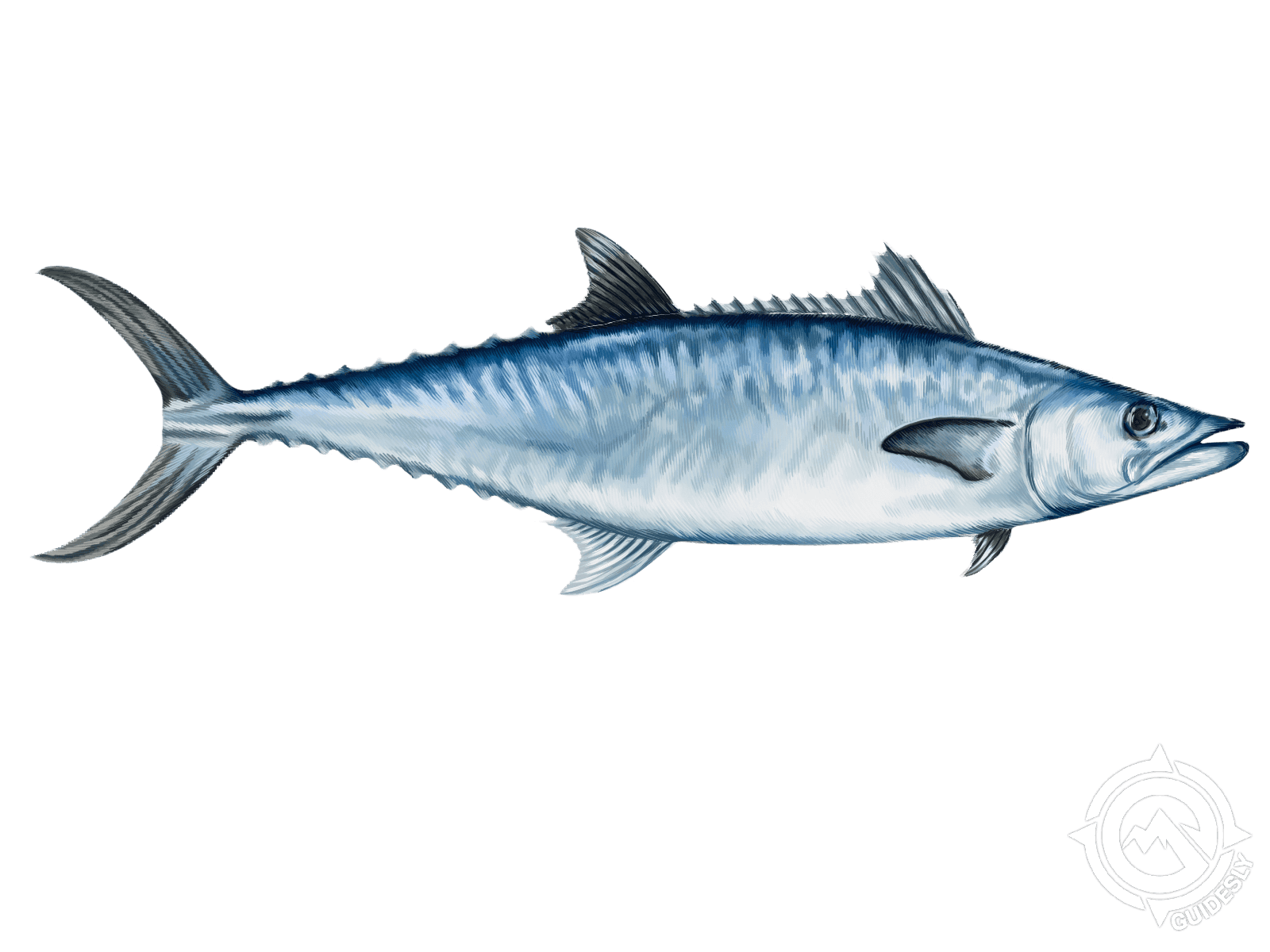
 King Mackerel
 Red Snapper
 Spanish Mackerel
- Six-hour offshore charter targeting red snapper and grouper
- Travels 15-30 miles to productive wrecks and reef sites
- Accommodates four passengers with tackle and bait provided
Trip Pricing and Availabilities:
Offshore Reef Fishing Charter Panama City Beach
When you're ready to leave the inshore crowds behind and get serious about bottom fishing, this 6-hour offshore charter puts you right where the big fish live. We're talking about running 15 to 30 miles out into the Gulf, hitting productive wrecks and natural reefs where red snapper, grouper, and triggerfish stack up thick. Captain JP knows these waters like the back of his hand, and with room for up to four anglers, you'll have plenty of space to work without bumping elbows. This isn't your typical half-day trip – we're giving you the time to really dial in on the bite and load up the cooler.
What to Expect on the Water
Your day starts early at the marina, where Captain JP will have the boat prepped and ready to run. The ride out gives you time to wake up with some coffee and watch the sun come up over the Gulf. Once we hit the offshore grounds, it's all about reading the electronics and finding those sweet spots where the fish are holding. These wrecks and reefs create the perfect structure for bottom dwellers to ambush baitfish, and that's where we'll drop our lines. The boat comes equipped with state-of-the-art navigation and fish-finding technology, so we're not just fishing blind out there. All your tackle, licensing, and bait are included in the trip, though if we decide to upgrade to premium live bait for better action, there might be an additional fee up to $30. Trust me, when the snapper are being picky, live bait can make all the difference between a good day and a great day.
Bottom Fishing Techniques
We're primarily bottom fishing these offshore structures, which means dropping weighted rigs down to where the fish are feeding. The captain will set up the boat perfectly over structure, using GPS coordinates and sonar to position us right on top of productive spots. You'll be using medium to heavy action rods with conventional reels loaded with enough line to handle the depth and the drag runs these fish are famous for. The technique is straightforward but requires some finesse – we'll show you how to feel the difference between a bite and the sinker bouncing off the structure. When a big gag grouper grabs your bait and tries to pull you back into the wreck, you'll need to put some serious pressure on to turn that fish's head. Red snapper have their own personality too – they'll often grab the bait and swim straight up, giving you that classic head-shaking fight all the way to the boat. The key is staying connected to the bottom while being ready to react fast when something eats.
Species You'll Want to Hook
Red snapper are the crown jewel of Gulf bottom fishing, and these Panama City Beach reefs hold some absolute tanks. These fish are ambush predators that hang around structure waiting for baitfish to swim by. During snapper season, which typically runs from June through July, you'll find them stacked up thick on productive reefs. A good red snapper will pull drag and give you a spirited fight, with fish commonly running 5 to 15 pounds out here. What makes them special is that perfect combination of fight and table fare – there's nothing quite like fresh red snapper on the grill that same evening.
Spanish mackerel bring a completely different energy to the trip. These speed demons will absolutely scream line off your reel when they hit, often taking multiple runs before you can get them to the boat. They're most active during the warmer months and love to cruise the edges of reefs looking for small baitfish. While they might not be the biggest fish you'll catch, pound for pound they're some of the hardest fighters in the Gulf. Plus, they make excellent bait for bigger predators if we decide to switch tactics during the day.
Gag grouper are the heavyweights of the reef, and hooking into a big one will test both your tackle and your technique. These fish are notorious for trying to pull you straight back into the wreck the moment they feel the hook. A mature gag can easily weigh 20 to 40 pounds and has the power to break you off if you're not ready for the initial run. They're most active during the cooler months, typically from October through March, and prefer deeper structure where they can ambush prey. Landing a quality gag grouper is always a highlight because they're both impressive fighters and outstanding on the dinner table.
Grey snapper, also known as mangrove snapper, might be smaller than their red cousins but they make up for it with attitude. These fish are incredibly smart and can be frustratingly picky about baits. When they do eat, they give a surprising fight for their size and often travel in schools, so you might catch several in quick succession. They're year-round residents on these reefs and provide consistent action when the bigger fish aren't cooperating.
King mackerel are the wildcards of this trip. While we're primarily targeting bottom species, kings cruise these same areas looking for baitfish, and when one finds your line, you'll know it immediately. These fish are pure speed and power, capable of making blistering runs that will have your reel screaming. A decent king mackerel will weigh anywhere from 10 to 30 pounds, with the occasional monster pushing 40-plus. They're most common during spring and fall migrations, and hooking one adds serious excitement to any bottom fishing trip.
Time to Book Your Spot
This offshore charter delivers exactly what serious anglers are looking for – access to productive waters, quality equipment, and the knowledge to put you on fish. With six full hours on the water and complimentary fish cleaning back at the marina, you're getting the complete package. The 15 to 30-mile run puts you in proven fishing grounds where these species thrive, away from the pressure of closer-in spots. Whether you're looking to fill the freezer with quality eating fish or just want to experience the hard pulls these Gulf reef
Learn more about the species
Gag Grouper
Gag grouper are the bulldogs of the reef - built like tanks and twice as stubborn. These mottled gray fighters typically go 20-30 inches and 5-15 pounds, with the occasional 30+ pounder that'll really test your tackle. They hang around hard bottom, ledges, and wrecks in 60-250 feet of water, always looking for an ambush spot. Fall and winter are prime time when they move offshore to spawn. What makes them a favorite? Pure brute strength - once hooked, they dive straight for the rocks and won't give up easy. Plus, their firm white meat is restaurant quality. My advice: use heavy tackle with 40+ pound line, keep your drag locked tight, and don't let them get their head down. The second you feel that bite, horse them up and away from structure or you'll be retying.
Grey Snapper
Grey snapper, or mangrove snapper as locals call them, are the thinking angler's fish. These copper-colored fighters run 12-16 inches and 1-3 pounds typically, though offshore specimens can push 8+ pounds. They're structure junkies - hanging around wrecks, reefs, and ledges in 30-150 feet of water. Year-round fishing, but summer months when they're feeding heavy on the reefs are best. What guests enjoy is their finicky nature that rewards patience and skill. They're spooky and smart, but once hooked they fight like fish twice their size. The payoff is some of the best eating in the Gulf - sweet, white, flaky meat. Here's the secret: downsize everything. Light leaders, small hooks, and let your bait sit still on bottom. They're opportunistic ambush feeders, so patience beats aggressive jigging every time.
King Mackerel
King mackerel are the ultimate pelagic predator - built for speed and power. These silver torpedoes average 20-40 pounds but can push 60+ pounds, making drag-screaming runs that'll test any angler. They cruise open water from 40-150 feet, following bait schools and temperature breaks. Spring through fall are peak seasons, with cooler months bringing them closer to structure. What makes kings special is their raw power and blazing speed - they'll peel line like nothing else in the Gulf. Their rich, oily meat is perfect for smoking or grilling. My go-to technique: slow-troll live bait or large spoons near temperature changes and current lines. Use wire leaders and a two-hook rig - one through the nose, one trailing behind. When they hit, let them run before setting the hook, or you'll just pull it away from them.
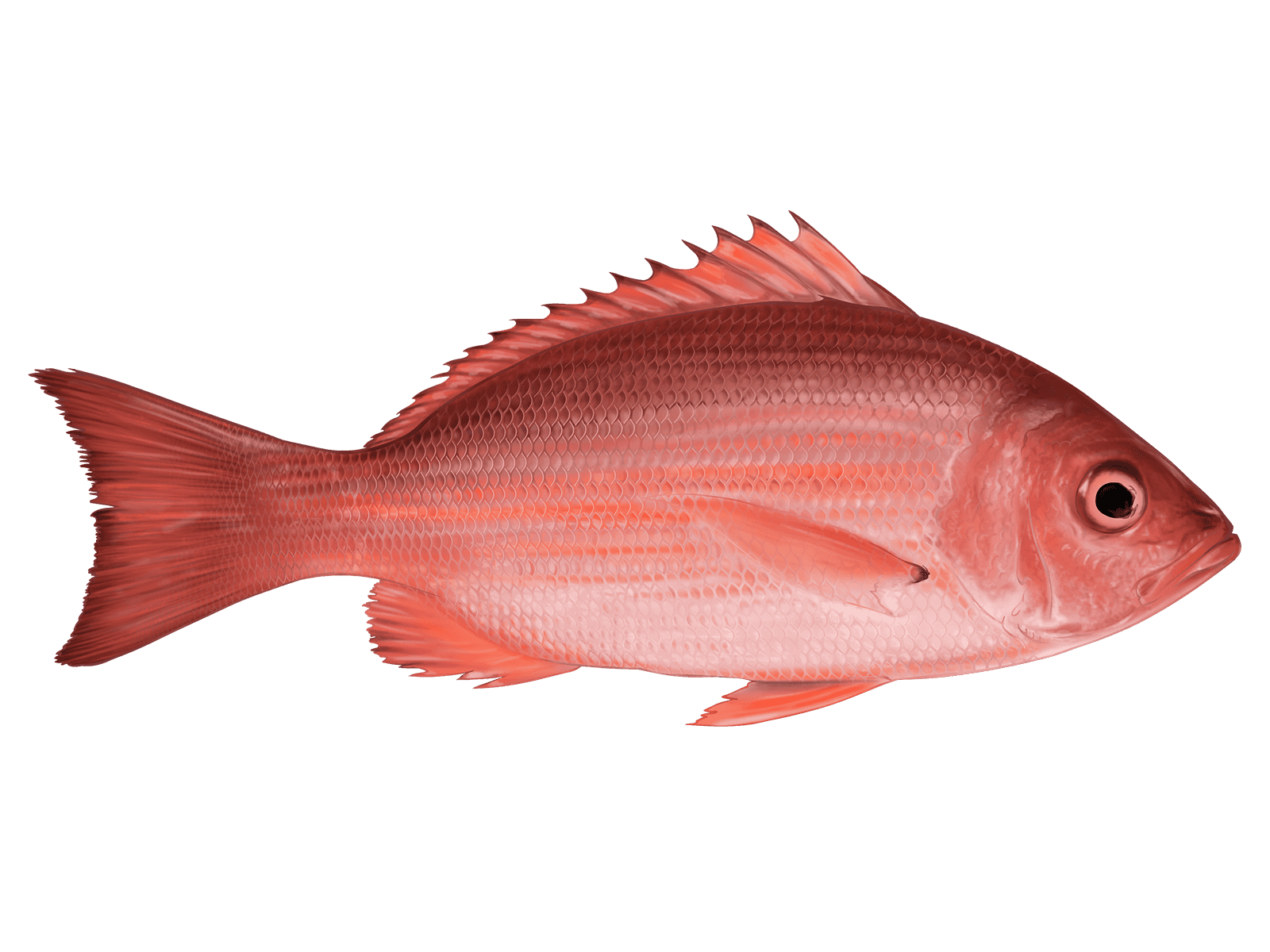
Red Snapper
Red snapper are the crown jewel of Gulf bottom fishing. These bright red beauties typically run 16-24 inches and 4-8 pounds, though we see some hefty 20+ pounders that'll make your arms burn. They live around structure in 60-200 feet of water - wrecks, artificial reefs, and rocky ledges are prime spots. Best fishing happens June through August when they're spawning and feeding heavy. What makes them special? They fight hard, diving straight for cover when hooked, and their white, flaky meat is absolutely delicious - mild and sweet. My tip: use circle hooks with fresh cut bait, drop it straight down, and when you feel that thump, don't jerk. Let the fish hook itself, then crank steady and keep them away from the structure or they'll cut your line every time.
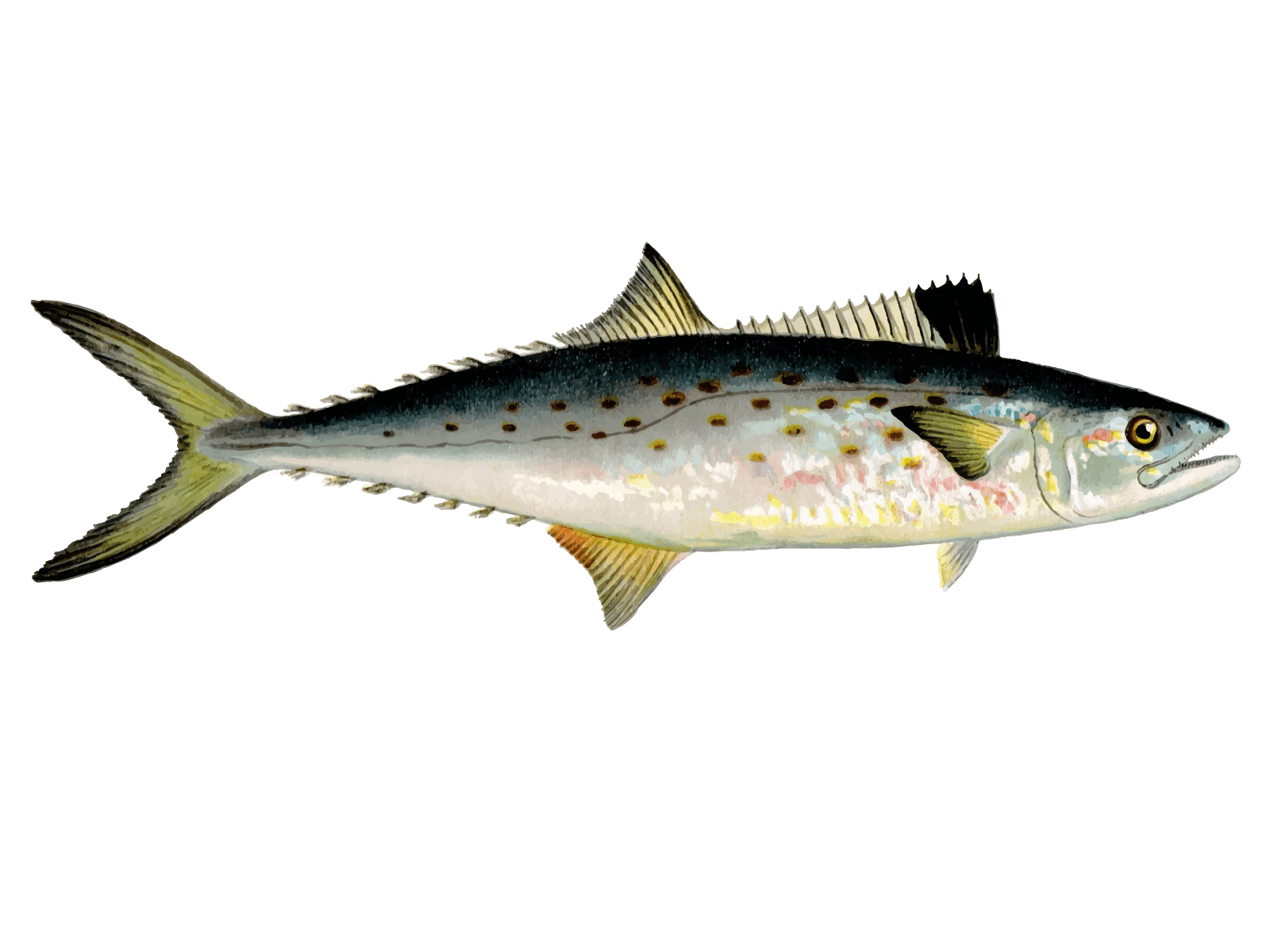
Spanish Mackerel
Spanish mackerel are speed demons that'll test your reflexes. These silver bullets with yellow spots usually run 14-20 inches and 2-4 pounds, but they're fast as lightning and travel in big schools. You'll find them cruising near the surface around 20-80 feet, especially near bait pods and structure. Spring through fall are peak seasons, with warmer water bringing them closer to shore. What guests love is the non-stop action - when you find a school, you can catch dozens. They hit hard, make blistering runs, and their mild, flaky meat is perfect for the grill. Here's my trick: use small spoons or jigs and cast ahead of the school, not into it. Reel fast with an erratic retrieve to mimic fleeing baitfish. Wire leaders are a must - their razor-sharp teeth will cut through mono in a heartbeat.
About the Panga
%2F%2Fusers%2F150f0bb5-4bdb-4b38-a096-9486f98e6526%2Fvehicle_picture%2F481263240_9168212629895078_57675559610455008d14_n-mrfkl3cn.jpg&w=1920&q=75)
Vehicle Guest Capacity: 4
Manufacturer Name: Suzuki
Maximum Cruising Speed: 45
Number of Engines: 1
Horsepower per Engine: 200